Bynk: A Psychedelic Typeface That Challenges Design Norms
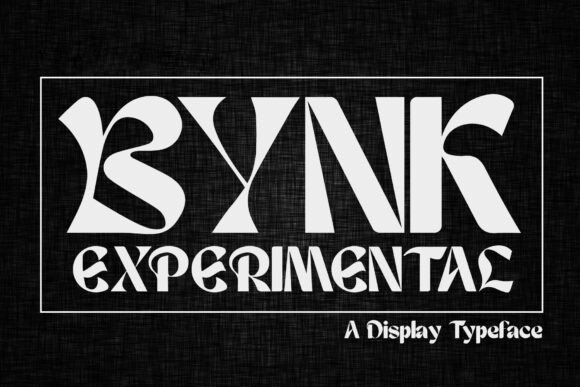
Bynk isn't your average font. It’s a bold, expressive typeface that straddles the line between design and art, offering a visual experience that feels both nostalgic and futuristic. Whether you're designing a festival poster or crafting a retro-futuristic brand identity, Bynk Experimental brings a level of energy and character that few other fonts can match. But with its fluid curves and distorted forms comes a learning curve—one that can trip up even experienced designers if they're not careful.
Why Bynk Stands Out in the Typeface Crowd
At first glance, Bynk looks like it was pulled straight from a 1960s psychedelic poster. Its hypnotic rhythm and melting letterforms evoke a sense of movement and unpredictability. This makes it a favorite among creatives who want to push boundaries and stand out in visually saturated markets. Unlike standard display fonts, Bynk doesn't just communicate—it creates a mood, a vibe, and sometimes even a story.
Whether you're designing for music festivals, experimental art projects, or edgy brand campaigns, Bynk offers a unique voice. But that voice isn't always easy to control.
Mistake #1: Using Bynk for Long Blocks of Text
One of the most common misuses of Bynk is trying to use it for body copy or lengthy text sections. While it's visually stunning, its fluid and distorted nature makes it hard to read at smaller sizes or in large chunks. This can lead to poor readability, reduced user engagement, and even viewer fatigue.
Better approach: Reserve Bynk for headlines, titles, or short bursts of text where visual impact is more important than readability. Pair it with a clean, legible sans-serif for body content to maintain balance and clarity.
Mistake #2: Overlooking Licensing and Usage Rights
Many designers download or purchase fonts without fully understanding the licensing terms. Bynk, like many experimental typefaces, may come with specific usage restrictions—especially for commercial projects or web embedding. Ignoring these terms can result in legal issues, unexpected costs, or the need to redo entire projects.
Better approach: Always check the license agreement before downloading or purchasing Bynk. If you're unsure, reach out to the foundry or vendor for clarification. Consider purchasing a commercial-use license if you plan to use it in branding, advertising, or digital platforms.
Mistake #3: Assuming Bynk Works in Every Design Context
Because of its strong visual identity, Bynk isn’t a one-size-fits-all solution. Some designers try to force it into contexts where it doesn’t belong—like corporate reports, formal invitations, or minimalist websites. This can clash with the overall tone and professionalism of the design.
Better approach: Use Bynk where its eccentricity is an asset, not a liability. Think music branding, experimental art, or avant-garde editorial design. If you're unsure, create a quick mockup and test how the font reads in context before committing.
What to Check Before Downloading or Buying Bynk
- Character Set: Make sure the font includes all the characters you need—especially if you're working in multiple languages or require special symbols.
- File Formats: Check if the font comes in both OTF and TTF formats, which are widely supported across design software and platforms.
- Support and Updates: See if the designer or foundry offers support or regular updates. This can be crucial for long-term projects or compatibility fixes.
- Web Licensing: If you plan to use Bynk on a website, confirm whether it includes a web font license or if you need to purchase one separately.
Mistake #4: Ignoring Kerning and Spacing Adjustments
Bynk’s fluid, distorted forms mean that default spacing and kerning may not work well for every word or phrase. Failing to adjust these manually can result in awkward gaps or letters that visually clash.
Better approach: Always fine-tune the spacing, especially when using Bynk in headlines or logos. Use optical kerning in design software like Adobe Illustrator or Photoshop to get the best visual flow.
Mistake #5: Not Testing Across Mediums
What looks amazing on a screen might not translate well to print or mobile displays. Bynk’s intricate details can get lost or pixelated at lower resolutions, especially if not optimized properly.
Better approach: Test Bynk in multiple formats—digital, print, and mobile—before finalizing your design. Adjust size, weight, and contrast as needed to ensure it remains legible and impactful across platforms.
How to Use Bynk Creatively and Effectively
When used correctly, Bynk can elevate a design from ordinary to unforgettable. Here are a few practical use cases and tips:
- Music Festival Branding: Use Bynk for festival posters and digital banners to capture the energy and rebellious spirit of live music events.
- Retro-Futuristic Logos: Pair Bynk with geometric shapes and neon color palettes to create logos that feel both nostalgic and forward-looking.
- Editorial Design: Feature Bynk in magazine covers or editorial headers to grab attention and set a bold visual tone.
- Experimental Art: Incorporate Bynk into digital art or mixed-media pieces where typography becomes part of the visual narrative.
Final Thoughts: Don’t Let Creativity Overshadow Clarity
Bynk is more than just a font—it's a statement. But like any powerful design tool, it requires thoughtful application. Don’t let its psychedelic charm distract you from usability and practicality. By avoiding common mistakes and understanding its strengths and limitations, you can use Bynk to create designs that are both visually striking and functionally effective.
Remember: great typography isn’t just about looking cool—it’s about communicating clearly, engaging your audience, and making smart design decisions. With Bynk, that balance is entirely possible—if you know how to wield it.