Candy Vintage: A Playful Font for Creative Workflows
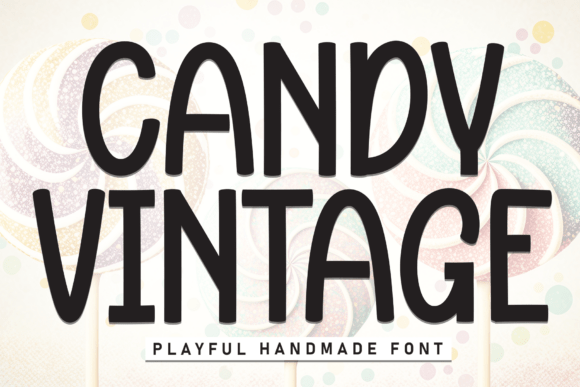
When it comes to crafting visually engaging designs, typography plays a crucial role in setting the tone. Candy Vintage is a sweet, playful handmade font that brings a nostalgic twist to any project. Whether you're designing candy packaging, birthday invitations, or toy branding, this font adds a layer of whimsy and charm that resonates with audiences of all ages. But beyond its aesthetic appeal, integrating Candy Vintage into your creative process requires thoughtful planning, compatibility checks, and strategic implementation to ensure it enhances your overall workflow.
Understanding Candy Vintage in the Design Ecosystem
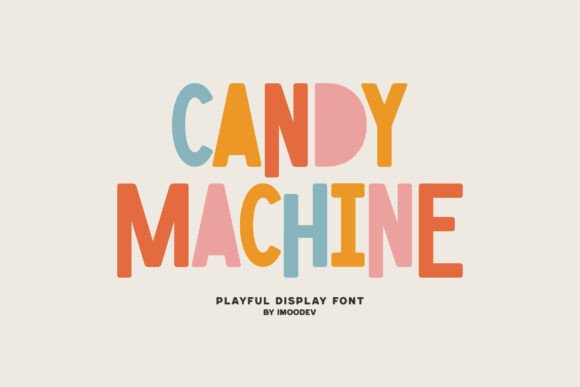
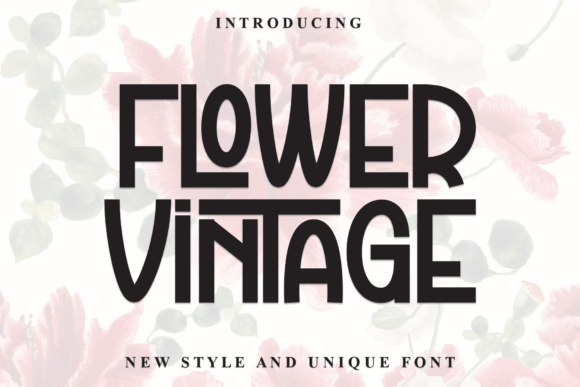
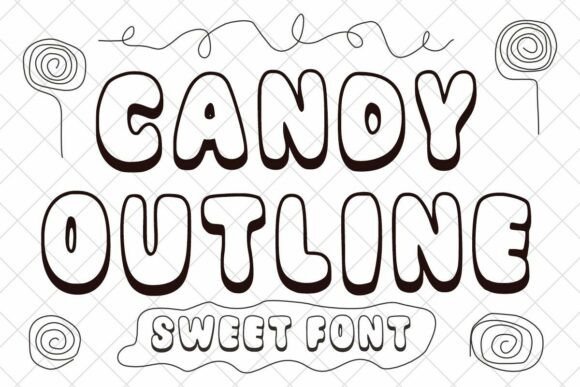
Candy Vintage stands out with its hand-drawn character shapes and retro-inspired curves. Unlike standard system fonts, this typeface carries a distinct personality that can elevate the emotional tone of a design. It's particularly effective in projects that require a sense of fun, warmth, or childhood nostalgia. However, its unique style also means it should be used intentionally, especially when working within a broader design system or brand identity.
Before diving into implementation, it's important to understand how Candy Vintage fits into the overall design lifecycle. Whether you're a graphic designer, marketer, or small business owner, this font can be integrated during the visual development phase, after initial concepting but before final asset delivery. This allows you to maintain consistency while ensuring readability and brand alignment.
Compatibility and Preparation
One of the first steps in using Candy Vintage effectively is ensuring it works across your design tools and platforms. Most modern graphic software—like Adobe Illustrator, Photoshop, Canva, and Figma—supports custom font installation. However, if you're collaborating with others or exporting files for web or print, you may need to embed or convert the text to outlines to preserve appearance across devices.
- Check font licensing to ensure it can be used for both personal and commercial purposes.
- Test readability at different sizes, especially for packaging or mobile displays.
- Pair with complementary fonts to maintain visual hierarchy and contrast.
Preparing your workflow ahead of time avoids last-minute font substitution issues and ensures that your creative intent is preserved from concept to delivery.
Using Candy Vintage in Real-World Projects
Let’s explore how Candy Vintage can be applied in different creative scenarios, and how it interacts with other tools and decisions in the design process.
Project Example: Candy Packaging Design
In the product design phase for a new line of artisanal candies, Candy Vintage can serve as the primary font for product names and flavor descriptions. Its handmade aesthetic aligns perfectly with the idea of small-batch, handcrafted goods. However, to maintain legibility and professionalism, it's best used for headlines and short text rather than long body copy.
- Start by sketching out the packaging layout with placeholder text.
- Integrate Candy Vintage into the main title and accent elements.
- Use a clean sans-serif font like Montserrat or Open Sans for ingredient lists and nutritional info.
- Export mockups for client review and iterate based on feedback.
This structured approach ensures that the font contributes to the design without compromising usability or clarity.
Event Branding: Birthday Invitations
For event planners and DIY creators, Candy Vintage shines in birthday invitations, especially for children's parties or retro-themed events. Its whimsical forms make it ideal for creating a sense of joy and excitement. When designing invitations, consider how the font will appear across different formats—digital invites, printed cards, or social media graphics.
Use Candy Vintage for the event title and key details like date and location. Pair it with a simpler font for additional information to avoid visual clutter. If you're using email platforms or social media tools that have limited font support, you may need to export text as images to maintain consistency.
Integrating Candy Vintage with Other Tools and Assets
To get the most out of Candy Vintage, it's important to think about how it interacts with other design elements and software. Here are a few practical integration points:
- Color Schemes: The font works best with pastel or vibrant retro palettes. Consider using a tool like Adobe Color to test combinations before finalizing your design.
- Illustration Styles: If your project includes hand-drawn illustrations or retro graphics, Candy Vintage will complement those elements naturally.
- Web and Print Output: For web use, ensure that the font is either embedded via services like Google Fonts or converted to outlines in static images. For print, always include the font file or convert to outlines to prevent substitution errors.
By aligning Candy Vintage with your visual assets and tools, you maintain a cohesive and professional outcome across all deliverables.
Workflow Tips for Consistency and Efficiency
Like any design element, using Candy Vintage effectively requires a consistent approach to ensure it supports your overall goals rather than becoming a distraction. Here are a few tips to streamline your workflow:
- Create reusable templates: Save time by building templates for common use cases like invitations, labels, or social media posts using Candy Vintage as the default font for headlines.
- Establish brand guidelines: If you're working on a long-term project or brand identity, document how and when Candy Vintage should be used to maintain consistency across team members or future updates.
- Use layer naming and organization: In design software, clearly label text layers that use Candy Vintage to make future edits easier for yourself or collaborators.
These small but impactful habits help maintain efficiency and reduce friction during the creative process.
Long-Term Use and Scalability
While Candy Vintage brings a strong visual character to the table, it's important to evaluate its long-term suitability. If you're building a brand or product line that may evolve over time, ensure the font still aligns with your direction as your business grows. You may find that while Candy Vintage is perfect for a launch campaign, a more versatile font suite is needed for broader applications like digital interfaces or multilingual content.
Consider using Candy Vintage as part of a layered typographic strategy rather than relying on it exclusively. This flexibility ensures your designs remain dynamic and adaptable while preserving the nostalgic charm that makes the font special.
Conclusion
Candy Vintage isn't just a font—it's a design tool that adds personality and warmth to a wide range of creative projects. From packaging to invitations and branding materials, its playful forms and retro charm make it a favorite among designers and creators. But to make the most of it, thoughtful integration into your workflow is essential. By considering compatibility, preparation, and long-term use, you can ensure that Candy Vintage enhances your work without complicating your process. Whether you're a professional designer or a small business owner crafting your own visuals, this font can be a valuable asset when used with intention and care.