Extra Thin: A Delicate Typeface with Strong Design Potential
Understanding the Appeal of Extra Thin
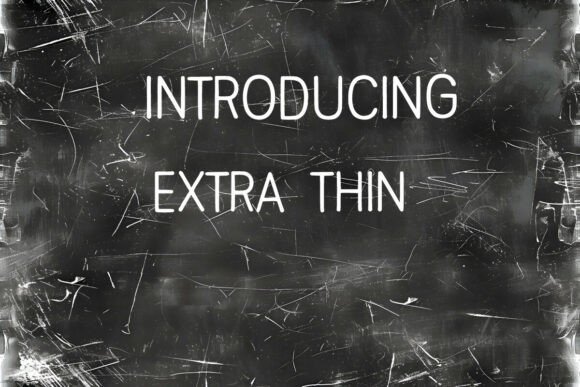
Extra Thin is a modern typeface crafted for creators who value subtlety and sophistication in their visual work. Its defining feature is a clean, minimal weight that conveys elegance without sacrificing legibility. Unlike heavier fonts that can dominate a layout, Extra Thin offers a refined presence that complements rather than competes with other design elements. This makes it a strong candidate for projects where clarity and aesthetic balance are essential.
While many thin fonts risk appearing fragile or difficult to read, Extra Thin maintains structural integrity through carefully considered spacing and line consistency. This balance contributes to its readability across both print and digital formats, making it a versatile choice for a wide range of creative applications.
Key Characteristics and Design Strengths
- Delicate yet legible: The font’s light structure enhances its visual appeal while maintaining readability, especially at larger sizes.
- Highly adaptable: Works well in branding, editorial design, social media graphics, and product-based formats like t-shirts and stickers.
- Modern aesthetic: Its clean, contemporary look aligns with minimalist and high-end design trends.
- Scalable performance: Maintains clarity when resized, making it suitable for both large-format posters and small digital elements.
Designers who appreciate subtlety will find Extra Thin particularly useful for creating understated impact. Its visual lightness allows for clean, uncluttered layouts that feel intentional and well-balanced.
Practical Applications and Real-World Use
In practice, Extra Thin shines in environments where design precision matters. For instance, in brand identity projects, the font can serve as a secondary typeface to add sophistication to logotypes, taglines, or packaging elements. Its restrained presence allows it to pair well with bolder fonts, enhancing contrast without overwhelming the composition.
When used in print-on-demand items such as t-shirts and stickers, the font’s fine lines and elegant structure lend a boutique-like quality that appeals to niche markets and lifestyle brands. However, creators should be mindful of fabric texture and print resolution, as these factors can affect how well the fine details of the font translate in physical form.
For digital use, Extra Thin integrates smoothly into SVG file workflows, making it ideal for scalable web graphics and social media templates. Its crisp rendering ensures that text elements remain sharp across devices, supporting a professional visual tone in online branding and marketing materials.
Who Benefits Most from Using Extra Thin?
Extra Thin is particularly well-suited for design professionals, content creators, and small business owners who prioritize visual clarity and modern aesthetics. It’s a strong fit for:
- Graphic designers crafting editorial layouts or branding materials
- Entrepreneurs developing minimalist logos or packaging designs
- Bloggers and influencers creating clean, engaging social media visuals
- Print-on-demand sellers looking to elevate product designs with a refined typographic touch
- Educators and publishers designing instructional materials or digital handouts
Users working with Cricut and similar crafting tools will appreciate how well Extra Thin adapts to cut files, offering a polished look to vinyl projects and custom signage. Its clean structure ensures that even intricate letterforms cut cleanly without excess material loss.
Professional Observations and Considerations
From a design workflow perspective, Extra Thin integrates well with common creative software and vector-based tools. It pairs naturally with sans-serif fonts for contrast, or with other thin typefaces for a cohesive, monoline aesthetic. Designers should consider using it in contexts where its lightness enhances rather than detracts from the overall message.
One practical consideration is that Extra Thin may not be ideal for long-form body text, especially in smaller sizes. Its fine strokes can become difficult to read in dense paragraphs or low-resolution environments. Instead, it performs best as a headline or accent font where it can be displayed at a larger, more legible scale.
In terms of reliability and long-term value, Extra Thin holds up well across design trends. Its minimalist structure ensures it won’t quickly feel outdated, making it a sustainable choice for branding and marketing assets that need to remain consistent over time.
Final Thoughts: Is Extra Thin Right for Your Project?
Extra Thin is not a one-size-fits-all font, but for the right application, it delivers a compelling combination of elegance and usability. Its delicate structure, strong scalability, and compatibility with both print and digital workflows make it a valuable addition to any designer’s toolkit—especially those who appreciate clean, intentional typography.
If your work involves creating high-impact visuals that require a touch of refinement, Extra Thin is worth exploring. Whether you're designing for print, digital, or craft-based mediums, this font offers a subtle yet effective way to elevate your creative output without overpowering your message.