Jungle Boys: A Wildly Creative Font with Hidden Pitfalls
What Makes Jungle Boys Stand Out?
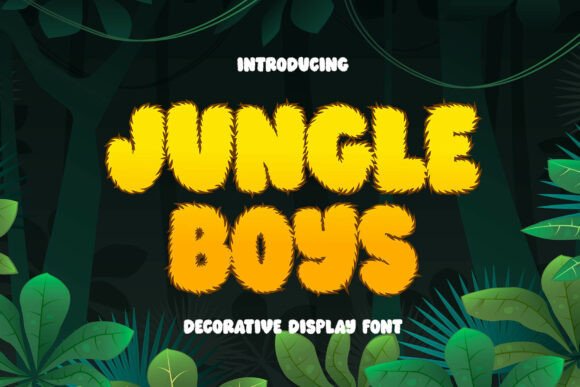
Jungle Boys is more than just a font — it's an expressive design tool that channels the raw energy of the jungle. With its bold strokes, playful curves, and organic feel, it's ideal for projects that need a splash of fun and adventure. Whether you're designing a children's book, a themed party invitation, or a nature-inspired brand identity, Jungle Boys brings a sense of spontaneity and vibrancy that's hard to replicate with more conventional typefaces.
Designed with creativity in mind, this font supports uppercase, lowercase, numbers, and basic punctuation, and is available in both OTF and TTF formats, making it versatile for a variety of digital and print applications. But while its aesthetic appeal is undeniable, there are several practical considerations users often overlook that can impact how effectively it performs in real-world projects.
Common Mistakes When Using Jungle Boys
Despite its charm, Jungle Boys can be misused in ways that compromise legibility, professionalism, and overall design quality. Here are some of the most common issues designers and creators encounter — and how to avoid them.
1. Overusing Jungle Boys in Multi-Text Layouts
One of the most frequent errors is using Jungle Boys for large bodies of text or in layouts with multiple font layers. Its decorative nature makes it perfect for headlines or short bursts of text, but it can quickly become overwhelming when used for paragraphs or complex designs.
Better approach: Reserve Jungle Boys for titles, callouts, or accent text. Pair it with a clean, readable sans-serif or serif font for supporting content to maintain visual hierarchy and readability.
2. Ignoring Legibility at Small Sizes
While Jungle Boys shines at larger sizes, its intricate strokes and curves can blur or become illegible when scaled down. This is especially problematic for print materials like business cards, packaging, or mobile displays where space is limited.
Better approach: Test Jungle Boys at the intended output size before finalizing your design. If legibility becomes an issue, consider simplifying the design or using a complementary font that retains clarity at smaller scales.
3. Misjudging the Tone of the Project
Jungle Boys carries a strong thematic presence — it's playful, bold, and unmistakably wild. However, not every project benefits from this kind of tone. Using it in formal or minimalist designs can create a jarring visual mismatch.
Better approach: Evaluate the overall mood of your project before committing to Jungle Boys. It works best in contexts that celebrate nature, exploration, or youthful energy. For corporate, academic, or sleek modern designs, opt for a more neutral typeface.
4. Skipping the Licensing Check
Another often-overlooked detail is the licensing agreement that comes with Jungle Boys. Some font providers restrict commercial use or require attribution, which can lead to legal issues if not properly addressed.
Better approach: Always read the license terms before downloading or purchasing. If you're using Jungle Boys for a client or commercial product, ensure you have the appropriate permissions or choose a version with a commercial-use license.
How to Evaluate Jungle Boys Before Use
Before diving into your design, take a moment to assess whether Jungle Boys truly fits your project's needs. Consider the following:
- Target audience: Is the design intended for children, nature enthusiasts, or a more mature demographic? Jungle Boys works best with younger or adventurous audiences.
- Usage context: Will the font be used in print, digital, or both? Check how it renders across different platforms and devices.
- File compatibility: Confirm whether your design software supports OTF or TTF formats. Most modern tools do, but it's always good to double-check.
- Character set: Make sure the font includes all necessary characters, especially punctuation and numbers, if your project requires them.
Pairing Jungle Boys with Other Fonts
Successful design often hinges on thoughtful font pairing. Because Jungle Boys has such a strong personality, it's essential to choose complementary typefaces that balance its visual weight without competing for attention.
Try this combination:
- Headline: Jungle Boys (bold, medium size)
- Body text: Lato or Open Sans (clean, sans-serif fonts)
- Accent: A simple script or handwritten font for a touch of warmth
This layered approach keeps the design cohesive while letting Jungle Boys shine where it matters most — in the focal points of your layout.
Real-World Examples of Jungle Boys Done Right
Let’s look at a couple of scenarios where Jungle Boys enhances the design rather than hinders it:
- Children's Book Cover: Jungle Boys adds a sense of adventure and whimsy, perfectly matching the tone of a jungle-themed story.
- Summer Camp Poster: Used for the event title, Jungle Boys captures the spirit of exploration and outdoor fun, while a simpler font handles the details like dates and locations.
In both cases, the font supports the theme without overwhelming the message — a balance that’s key to effective design.
Final Thoughts: Use Jungle Boys with Purpose
Jungle Boys is a powerful creative tool, but like any design element, it should be used thoughtfully. By understanding its strengths and limitations, you can harness its unique character to elevate your work without falling into common design traps.
Before you download or embed Jungle Boys into your next project, ask yourself: Does it serve the message? Is it readable in context? Have I considered the licensing and technical requirements? Answering these questions upfront will help you make the most of this vibrant, expressive font — and avoid costly revisions later on.