Moulton: The Modern-Retro Typeface That Commands Attention
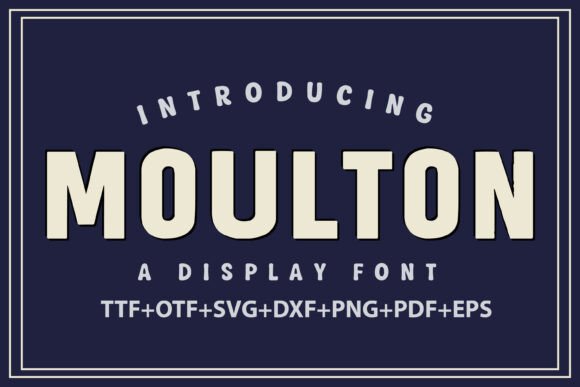
In a visual landscape where clarity and character are equally important, the Moulton typeface stands out as a compelling choice for designers and brand builders. This bold, all-caps display font blends structural strength with a touch of nostalgia, making it a go-to for branding that needs to be both distinctive and dependable. Unlike many decorative fonts that sacrifice readability for flair, Moulton maintains a clean, open design that ensures legibility even in tight spaces or curved layouts.
Why Moulton Fits Today’s Design Needs
The resurgence of vintage aesthetics in branding and packaging has created a demand for typefaces that feel authentic yet modern. Moulton answers that call by combining the visual language of mid-century signage with contemporary design sensibilities. Its broad stems and slightly condensed structure give it a strong presence, while the soft rounded corners add a touch of approachability. These characteristics make it especially effective for businesses in the craft beverage, outdoor recreation, and independent retail sectors, where a sense of heritage and craftsmanship is often part of the appeal.
From Logos to Labels: Practical Applications of Moulton
Designers are increasingly turning to Moulton for applications where visual impact matters. Its all-caps format and compact footprint make it ideal for logo lockups, badge-style branding, and storefront signage. In particular, Moulton excels in curved text settings—such as circular emblems or arched signage—where maintaining clarity and proportion can be a challenge. Whether used on a beer label, a t-shirt graphic, or a cafe menu, Moulton delivers a bold, structured presence that communicates confidence and clarity.
Stylistic Flexibility Without Sacrificing Identity
One of Moulton’s strengths lies in its adaptability. It works well in flat color applications, but also responds beautifully to inline or outline treatments that add depth and dimension. This versatility allows designers to use it across a variety of media without losing brand consistency. For instance, a brewery might use Moulton in a solid black for its taproom signage and then apply an inline effect for a limited-edition can design, maintaining visual continuity while adding visual interest.
How Moulton Reflects Current Design Trends
In recent years, there’s been a shift toward more intentional, character-driven typography. Brands are moving away from overly generic sans-serif fonts in favor of typefaces that tell a story and reflect a distinct identity. Moulton fits neatly into this trend by offering a balance of personality and professionalism. It’s not just a throwback—it’s a considered design choice that signals a brand’s awareness of both history and modernity.
Meeting the Expectations of Today’s Audiences
Consumers today are more visually literate and design-aware than ever before. They respond to brands that feel intentional and well-crafted, not just functional. Moulton helps meet this expectation by offering a design that feels both familiar and distinctive. Its readability and strong structural rhythm make it easy to process at a glance, which is crucial in fast-paced environments like retail shelves or digital banners.
The Evolution of Display Typography and Moulton’s Place in It
Historically, display typefaces were used sparingly—reserved for headlines, posters, and signs where visual impact was the priority. With the rise of digital design and the increasing importance of brand expression, display fonts like Moulton have found broader applications. They’re no longer just typographic accents but central elements of brand identity systems. Moulton bridges the gap between heritage signage and modern digital design, offering a versatile yet distinctive voice for contemporary branding needs.
What Makes Moulton Stand Out
Unlike many all-caps fonts that can feel rigid or overly aggressive, Moulton maintains a sense of balance. Its square-ish bowls and open counters contribute to a more breathable letterform, which helps prevent visual fatigue. This is especially important in branding applications where the font may be used frequently across different touchpoints. Additionally, its vertical rhythm ensures that it scales well, whether printed on a business card or blown up for a storefront marquee.
Recommendations for Using Moulton Effectively
To get the most out of Moulton, designers should consider context and contrast. Because it’s a strong, bold typeface, it works best when paired with more neutral supporting fonts. For example, using Moulton for a headline and a simple sans-serif like Helvetica or Roboto for body text creates a clean visual hierarchy. When working with curved text or tight lockups, it’s important to test legibility at different sizes and angles to ensure the message remains clear.
- Pairing Tip: Use Moulton for headlines and switch to a simpler sans-serif for supporting text.
- Color Tip: Experiment with flat colors for a minimalist look or add inline effects for a dynamic twist.
- Spacing Tip: Give Moulton room to breathe—especially in print or packaging applications where overcrowding can reduce impact.
Who Benefits Most from Moulton
Brands that want to convey strength, authenticity, and a touch of retro flair will find Moulton to be a valuable asset. Independent breweries, outdoor gear companies, boutique cafes, and sports apparel brands are especially well-suited to its aesthetic. Freelance designers and creative agencies can also benefit by incorporating Moulton into their toolkit for client work that demands both personality and polish.
Looking Ahead: The Continued Relevance of Character-Driven Fonts
As digital platforms become more saturated with content, the need for visually distinct branding will only increase. Typefaces like Moulton offer a way to stand out without sacrificing readability or professionalism. They represent a shift toward more thoughtful typographic choices that reflect a brand’s identity rather than simply filling space. In this evolving landscape, Moulton is well-positioned to remain a go-to option for designers who want to make a strong visual statement with a touch of vintage charm.