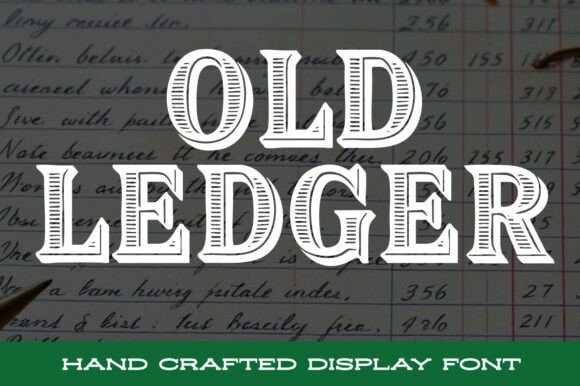
Old Ledger: A Vintage-Inspired Display Font for Timeless Design
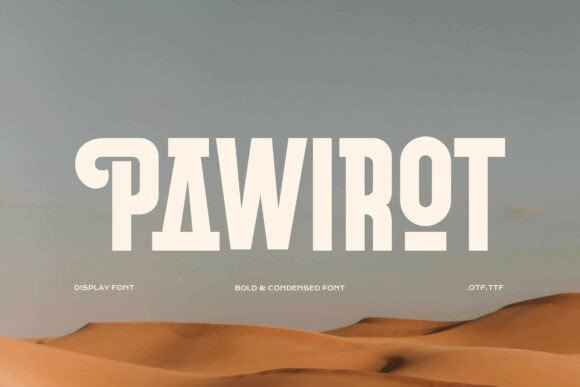
Old Ledger is a display font that draws inspiration from early 20th-century typography and historical documents. Its bold, structured letterforms and precise inline accents reflect the craftsmanship of an earlier era, reminiscent of weathered accounting ledgers and classic newspaper mastheads. Designed with a sense of heritage and authenticity, Old Ledger is ideal for projects that require a vintage aesthetic grounded in meticulous detail.
Understanding the Design of Old Ledger
At its core, Old Ledger features letterforms that evoke the visual language of historical print and hand-etched designs. The font’s bold weight and defined inline elements contribute to its strong visual presence, making it well-suited for display use rather than long-form text. Each character is crafted to resemble ink-stamped or engraved typography, with subtle textural details that enhance its vintage appeal.
Unlike modern sans-serif or minimalist typefaces, Old Ledger embraces classical proportions and ornamental touches. These characteristics give it a distinctive personality that can anchor a design with a sense of tradition and craftsmanship. While not intended for body copy, its visual impact makes it effective for headlines, logos, signage, and branding materials that aim to convey a historical or artisanal quality.
Why Designers Might Choose Old Ledger
Designers and creatives often seek typefaces that communicate a specific tone or narrative. Old Ledger appeals to those looking to evoke a sense of authenticity, nostalgia, or timelessness in their work. It can serve as a visual bridge between past and present, particularly in branding, packaging, and editorial design where heritage and craftsmanship are key themes.
- Brand Identity: Businesses aiming to project a classic or artisanal image may find Old Ledger enhances their visual language.
- Print and Packaging: Labels, product packaging, and printed materials benefit from its tactile, historical aesthetic.
- Poster and Signage Design: The font’s strong presence ensures legibility at a distance while adding visual interest.
Key Benefits of Using Old Ledger
One of the primary advantages of Old Ledger is its ability to convey character and authenticity without appearing overly stylized. Compared to more decorative or exaggerated vintage fonts, it maintains a balanced structure that supports readability and professional application. Its inline accents and bold strokes provide visual depth without sacrificing clarity, particularly at larger sizes.
Additionally, Old Ledger’s textured appearance can add dimension to a design without the need for additional graphical elements. This makes it a versatile option for projects where minimalism meets historical influence, allowing for clean yet expressive compositions.
Considerations and Potential Tradeoffs
While Old Ledger offers a strong visual identity, it is not a one-size-fits-all solution. Due to its bold and ornamental nature, it may not be suitable for all design contexts. Users should consider the following factors when evaluating Old Ledger for a project:
- Readability: The font’s structured yet decorative style can impact legibility in smaller sizes or in extended text blocks.
- Design Context: Projects aiming for a contemporary or minimalist aesthetic may find Old Ledger visually incongruent.
- Usage Scope: Its effectiveness is strongest in short-form applications like headlines, logos, and titles rather than in body text.
Designers should also assess how well Old Ledger integrates with other typographic elements in a layout. Pairing it with a simpler, more neutral font can help maintain balance and prevent visual overload.
When Old Ledger Excels
Old Ledger shines in design scenarios that benefit from a strong historical or artisanal reference. It works particularly well in the following applications:
- Branding for Heritage Businesses: Companies with a long-standing tradition or those aiming to evoke a sense of legacy can use Old Ledger to reinforce their brand narrative.
- Vintage-Themed Posters and Invitations: Whether for events, promotions, or publications, the font adds a tactile, nostalgic quality.
- Packaging and Label Design: Especially in food, beverage, or artisanal product lines, Old Ledger enhances the perception of quality and craftsmanship.
In these contexts, Old Ledger functions not just as a typeface but as a design element that contributes to the overall storytelling of the visual composition.
When Alternatives May Be More Appropriate
Despite its strengths, Old Ledger may not be the best fit for every project. Users should consider alternative fonts when:
- Modern Minimalism is Required: Clean, sans-serif fonts like Helvetica Neue or Futura may better suit contemporary branding.
- Extended Reading is Expected: For body text in books, articles, or websites, more legible serif or sans-serif fonts are typically more effective.
- International Character Support is Needed: If the project involves multiple languages or special characters, designers should verify Old Ledger’s glyph coverage.
Alternatives such as League Gothic, Playfair Display, or Rockwell can offer similar vintage appeal with potentially broader typographic flexibility, depending on the use case.
Making the Right Choice
Selecting a font like Old Ledger requires thoughtful consideration of both aesthetic goals and practical constraints. Designers should ask themselves:
- Does the project aim to evoke a sense of history or craftsmanship?
- Will the font be used in short-form display settings rather than extended text?
- Does the font align with the brand’s visual identity and message?
- Is the font technically compatible with the intended output (print, web, etc.)?
By aligning these considerations with the unique qualities of Old Ledger, designers can make informed decisions that enhance both the visual and communicative power of their work.
Conclusion
Old Ledger offers a compelling blend of historical charm and typographic precision, making it a valuable choice for designers seeking to convey authenticity and craftsmanship. Its bold structure and textured appearance bring a sense of heritage to modern design, particularly in branding, packaging, and display applications. However, like any typeface, it is most effective when used thoughtfully and in alignment with the project’s goals. Whether Old Ledger is the right choice depends on the context, the intended message, and how well it integrates with the broader design system.