Shavanshi Radjani: A Beautiful Blend of Tradition and Modern Design
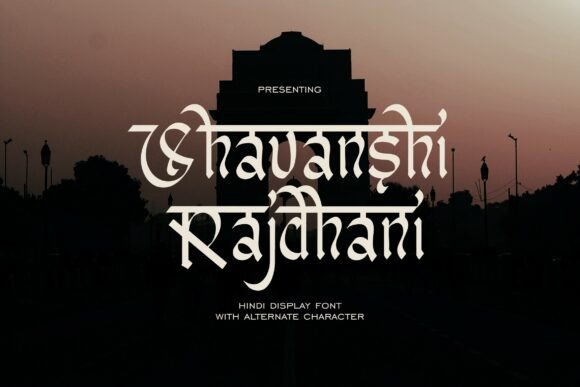
Shavanshi Radjani is more than just a font—it’s a celebration of cultural heritage wrapped in a modern design package. As a Hindi display font, it captures the elegance of traditional Devanagari script while incorporating the fluidity and structure of Latin letterforms. This unique combination makes it a powerful tool for designers, marketers, and creators who want to convey authenticity and artistic depth in their work.
Why Designers Love Shavanshi Radjani
Whether you're working on a Bollywood movie title, a jewelry catalog, or a cultural exhibit, Shavanshi Radjani brings a sense of tradition and sophistication. Its characters are designed with exquisite strokes, dynamic top lines, and graceful curves that reflect the artistry of South Asian calligraphy. This makes it especially suitable for projects that demand a culturally rich and visually striking appearance.
Common Mistakes When Choosing and Using Shavanshi Radjani
Despite its beauty and versatility, many users fall into common traps when selecting or applying this font. These mistakes can lead to poor readability, mismatched design styles, or even legal issues. Here are some of the most frequent issues and how to avoid them:
Mistake #1: Using It for Body Text
One of the most common misuses of Shavanshi Radjani is applying it to body text. While its decorative nature makes it ideal for headlines and titles, it can become difficult to read in longer blocks of text. The ornate strokes and flourishes that give the font its character can also make it visually overwhelming in paragraphs.
Better Approach: Stick to using Shavanshi Radjani for headlines, banners, or short text elements. Pair it with a clean, legible sans-serif or serif font for body content to maintain readability and visual harmony.
Mistake #2: Ignoring Licensing Details
Some designers download Shavanshi Radjani from third-party sites without verifying the licensing terms. This can lead to unintended copyright violations, especially when using the font in commercial projects.
Better Approach: Always purchase or download Shavanshi Radjani from reputable sources that clearly state the licensing terms. Make sure the license covers your intended use—whether it's for print, web, or digital products.
Mistake #3: Overlooking PUA Encoding
PUA (Private Use Area) encoding allows access to special characters and ligatures without needing advanced design software. Some users miss out on these features because they're unaware of how to access them or assume the font lacks certain glyphs.
Better Approach: Take time to explore the full character set of Shavanshi Radjani. Use a glyph panel in your design software or check the font's documentation to discover additional symbols, ligatures, and stylistic alternates that can enhance your design.
Mistake #4: Not Testing Across Platforms
While Shavanshi Radjani looks stunning in design software, it may not render consistently across all devices or browsers, especially if embedded in a website. This can affect how your message is received by a broader audience.
Better Approach: Test your design across multiple platforms and browsers. If you're using the font on a website, consider including web-safe fallback fonts and ensure that text remains legible even if the primary font fails to load.
How to Choose the Right Style and Size
Shavanshi Radjani is best used in larger sizes where its intricate details can shine. Avoid shrinking it down for small text, as this can cause the delicate strokes to blur or become illegible.
Also, consider the context of your design. For example, a festive poster for Navratri or Diwali might benefit from a bold, decorative use of the font, while a museum exhibit may require a subtler application that complements historical visuals without overpowering them.
Pairing Shavanshi Radjani with Other Fonts
Font pairing is crucial when using a highly stylized typeface like Shavanshi Radjani. It works best when balanced with simpler fonts that don’t compete for attention.
- For print: Try pairing with a classic serif like Georgia or Times New Roman.
- For digital: Sans-serif fonts like Open Sans or Lato provide a clean contrast.
This contrast helps guide the viewer’s eye and ensures that your message remains clear and engaging.
Real-World Applications That Shine
Shavanshi Radjani is particularly effective in projects that celebrate cultural identity. From wedding invitations to brand logos for heritage-based businesses, this font adds a touch of authenticity and elegance.
For example, a boutique specializing in traditional Indian jewelry might use Shavanshi Radjani in its logo and packaging to evoke a sense of craftsmanship and cultural depth. Similarly, a documentary on Indian festivals could use the font in its title sequence to immediately connect with the audience’s cultural memory.
What to Check Before Downloading or Buying
Before you commit to using Shavanshi Radjani, take a few minutes to verify the following:
- Character Set: Does it include all the glyphs and symbols you need?
- Licensing: Is it allowed for commercial use or web embedding?
- Compatibility: Will it work well with your design tools and platforms?
- Quality: Are the outlines clean? Are there any alignment or spacing issues?
These checks can save you time, legal trouble, and design headaches down the line.
Final Thoughts: Use It Wisely, Not Widely
Shavanshi Radjani is a powerful design asset, but like any expressive font, it shines best when used thoughtfully. By avoiding common mistakes and understanding its strengths and limitations, you can make the most of its cultural richness and visual appeal. Whether you're designing for fashion, film, or festivals, this font offers a unique opportunity to connect with audiences on a deeper, more meaningful level.