Synthetic Rhythm: The Font That Brings Digital Groove to Your Design Projects
When it comes to design, typography plays a pivotal role in setting the tone and capturing the essence of a project. Whether you're crafting a logo, designing a poster, or developing digital content for platforms like YouTube or Instagram, the right font can make all the difference. Enter Synthetic Rhythm, a modern sans-serif display font that blends retro-digital aesthetics with futuristic flair. This unique typeface isn't just visually striking—it's a versatile tool that helps designers across industries elevate their work with a touch of rhythmic sophistication.
What Makes Synthetic Rhythm Stand Out?
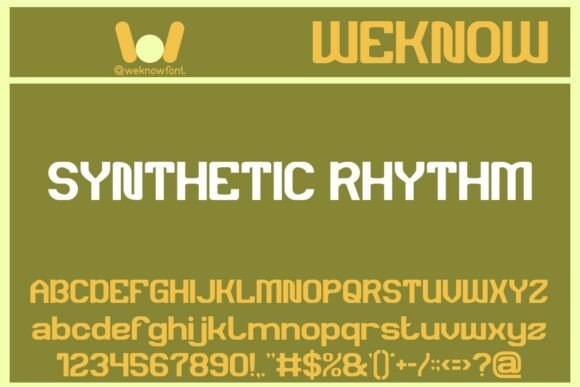
Synthetic Rhythm is more than just another font in your design toolkit. It’s a deliberate fusion of two compelling visual languages: the clean, pixel-perfect charm of retro digital design and the sleek, otherworldly vibe of sci-fi typography. The result is a font that feels both nostalgic and forward-looking, with sharp edges, geometric forms, and subtle curves that evoke the pulse of techno beats.
Unlike standard sans-serif fonts, Synthetic Rhythm doesn't just convey information—it tells a story. Its rhythmic structure mimics the flow of electronic music, making it ideal for projects that demand energy and innovation. Whether you're designing a music magazine, a graphic novel, or a futuristic brand identity, this font helps your message resonate on a deeper level.
Design Challenges That Synthetic Rhythm Solves
Designers often face the challenge of finding a font that aligns with both the aesthetic and emotional tone of their project. Many default fonts lack personality or fail to convey the intended mood. In industries like gaming, film, and digital content creation, where visual impact is paramount, choosing the wrong typeface can dilute the overall experience.
This is where Synthetic Rhythm shines. It addresses the need for a font that's not only visually engaging but also adaptable across multiple mediums. From logo design to apparel branding, it offers a solution for creatives who want to infuse their work with a sense of rhythm and modernity without sacrificing readability or professionalism.
How Synthetic Rhythm Enhances Branding and Visual Identity
Branding is all about consistency and emotional connection. The fonts you choose for your logo, website, and marketing materials play a crucial role in shaping how your audience perceives your brand. Synthetic Rhythm offers a unique opportunity to stand out in crowded markets by giving your brand identity a futuristic edge.
For example, a tech startup might use Synthetic Rhythm in its logo to convey innovation and forward-thinking values. A boutique clothing brand could incorporate it into apparel tags or packaging to add a modern, edgy flair. Even in print media, such as music magazines or graphic novels, this font helps create a visual rhythm that enhances storytelling and reader engagement.
Practical Applications Across Creative Industries
- Gaming and Film: Game developers and filmmakers often rely on typography to establish a world's atmosphere. Synthetic Rhythm’s sci-fi undertones make it perfect for UI elements, title screens, and promotional materials.
- Music and Entertainment: From album covers to concert posters, this font adds a pulse of energy that mirrors the rhythm of electronic music and modern beats.
- Digital Content Creation: On platforms like YouTube and Instagram, eye-catching thumbnails and titles are essential. Synthetic Rhythm ensures your content stands out with a bold, futuristic look.
- Graphic Novels and Comics: Designers can use it to create dynamic titles or onomatopoeic text that enhances action scenes and adds visual flair.
Tips for Using Synthetic Rhythm Effectively
While Synthetic Rhythm is incredibly versatile, using it effectively requires a bit of strategy. Here are a few tips to get the most out of this font:
- Pair it with complementary fonts: Since it's a display font, use it for headlines or accents rather than body text. Pair it with simpler sans-serif fonts like Helvetica or Futura for a balanced design.
- Consider spacing and alignment: The font’s rhythmic structure benefits from thoughtful spacing. Avoid crowding characters to maintain clarity and visual flow.
- Experiment with color and effects: Synthetic Rhythm looks great in neon hues or with subtle gradients and glows—perfect for creating a digital or sci-fi aesthetic.
- Use it in context: Think about the tone of your project. If you're aiming for something sleek and futuristic, this font will enhance that vibe. If your project is more minimalist or traditional, it may not be the best fit.
Who Benefits Most from Synthetic Rhythm?
Designers across various fields can benefit from incorporating Synthetic Rhythm into their work. Here’s how different users might approach the font:
- Graphic Designers: Ideal for branding projects, especially those targeting tech, music, or youth culture. Use it in logo design, social media assets, and print media.
- Content Creators: Perfect for YouTube thumbnails, Instagram stories, and podcast covers where visual impact is key to attracting attention.
- Writers and Illustrators: Especially useful in graphic novels or digital comics where expressive typography enhances the narrative.
- Merchandise Designers: A great choice for apparel, posters, and accessories that aim to make a bold visual statement.
Final Thoughts: Elevate Your Design with Synthetic Rhythm
In today’s fast-paced creative landscape, standing out is more important than ever. Synthetic Rhythm offers a powerful way to elevate your design projects with a font that’s both stylish and meaningful. Whether you're building a futuristic brand, designing a music-related visual asset, or exploring new typographic frontiers, this font delivers the rhythm and energy your work deserves.
By understanding the unique strengths of Synthetic Rhythm and applying it thoughtfully across your designs, you open the door to more engaging, memorable visuals. It’s not just about choosing a font—it’s about choosing a visual language that speaks volumes and sets the tone for your creative vision.