Graffikid: A Unique Typeface for Bold Design Statements
Graffikid stands out in the crowded world of typography as a display graffiti font that blends street-style energy with a clean, modern structure. Designed for creators who seek distinction, it carries an unmistakable urban edge while maintaining a professional aesthetic. This makes it a versatile option across multiple design contexts, from branding to packaging and signage. Unlike many fonts that lean heavily into one style or another, Graffikid strikes a balance between raw authenticity and refined execution.
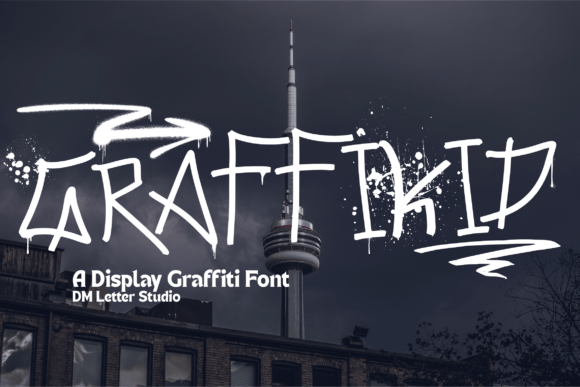
At its core, Graffikid is defined by its spray-paint textures, drips, and splashes—elements that give it a genuine graffiti feel. Each character is crafted to reflect individuality without sacrificing legibility or structure. This dual nature allows it to serve both expressive and functional design needs, making it particularly useful for projects that demand visual impact without appearing chaotic.
How Graffikid Fits Within the Typeface Landscape
In the broader category of graffiti-inspired fonts, Graffikid occupies a middle ground between stylized street art and structured design. Many graffiti fonts lean heavily into illegibility or exaggerated forms, which can limit their usability in professional settings. Graffikid avoids this pitfall by incorporating clean lines and intentional spacing while preserving the energetic essence of street lettering.
Compared to more traditional graffiti typefaces, Graffikid offers a more polished appearance. It doesn't attempt to replicate handwritten tags exactly, but instead refines them into a cohesive, scalable format. This makes it more suitable for applications like logo design, product packaging, and digital assets where clarity and consistency matter. It also differentiates itself from more rigid sans-serif or serif fonts that lack the visual punch needed for bold branding or attention-grabbing visuals.
Strengths That Set Graffikid Apart
- Authentic Texture: The built-in spray-paint effects give it a tactile, organic quality that many digital fonts lack.
- Versatile Application: Whether used for fashion branding, food packaging, or event posters, it adapts well to different visual contexts.
- Professional Structure: Despite its edgy appearance, it maintains a clean, readable form that supports its use in commercial and editorial design.
- Distinctive Identity: It offers a unique visual signature that helps brands stand out without appearing overly aggressive or chaotic.
Tradeoffs and Considerations
While Graffikid brings a strong visual presence, it’s not universally applicable. Like most display fonts, it works best at larger sizes where its textures and details can be appreciated. Using it in small body text or dense layouts may reduce legibility and dilute its impact. Additionally, its stylistic flourishes may not align with minimalist or formal design projects that prioritize subtlety over bold expression.
Designers should also consider how well Graffikid aligns with the tone and audience of a given project. Its urban, rebellious aesthetic resonates strongly in youth-driven or alternative markets, but may feel out of place in more conservative or traditional industries. It’s most effective when the goal is to communicate energy, confidence, and a willingness to break from the norm.
When Graffikid Is the Right Choice
Graffikid excels in scenarios where visual impact and brand differentiation are key. It’s particularly effective for:
- Luxury Streetwear Branding: Where urban aesthetics meet high-end presentation, Graffikid bridges the gap between edgy and elegant.
- Restaurant and Bar Signage: Establishments aiming for a vibrant, contemporary look can use Graffikid to create memorable visual identities.
- Event and Concert Posters: Its dynamic form helps grab attention in competitive visual spaces like social media or printed media.
- Product Packaging: Especially in food, beverage, or lifestyle markets where bold design communicates personality and confidence.
In these cases, Graffikid functions not just as a typeface, but as a design element that contributes to the overall brand experience. It works particularly well when paired with minimalist layouts that let the font shine without visual clutter.
When Another Option Might Be Better
For projects that require a more subdued or universally accessible aesthetic, Graffikid may not be the best fit. If the goal is to convey professionalism, tradition, or minimalism, a cleaner sans-serif or serif font might be more appropriate. Similarly, in cases where legibility across different sizes and mediums is a priority—such as mobile interfaces, technical documentation, or formal presentations—Graffikid’s stylistic elements could become a drawback.
Designers should also be mindful of audience perception. While Graffikid’s graffiti-inspired look appeals to younger, trend-conscious demographics, it may not resonate as strongly with older or more conservative audiences. In such cases, a more neutral or classic typeface might be necessary to maintain credibility and approachability.
Practical Comparisons: Graffikid in Context
When compared to other graffiti-style fonts, Graffikid distinguishes itself through its balance of texture and structure. Many alternatives either lean too heavily into chaotic, tag-like forms or become too sanitized in their digital adaptation. Graffikid avoids both extremes by maintaining a cohesive visual rhythm while preserving the raw energy of street art.
For example, when used in a beverage brand’s packaging, Graffikid can convey a sense of urban cool without alienating mainstream consumers. In contrast, a more exaggerated graffiti font might come across as too niche or unprofessional, while a standard sans-serif might fail to capture attention in a saturated market.
Similarly, in digital advertising, Graffikid’s high-impact look can help a campaign stand out on platforms like Instagram or TikTok, where visual engagement is crucial. Compared to more conventional fonts, it introduces a level of visual storytelling that supports brand personality and memorability.
Final Thoughts: Evaluating Graffikid for Your Project
Choosing the right typeface is about more than aesthetics—it's about alignment with brand identity, audience expectations, and functional requirements. Graffikid offers a compelling option for designers who want to inject personality and urban flair into their work without compromising on professionalism. Its textured authenticity, combined with a clean structural foundation, makes it a versatile tool for a wide range of creative applications.
However, like any design choice, it requires thoughtful consideration. Understanding its strengths, limitations, and best-fit scenarios will help ensure it enhances rather than hinders the intended message. When used strategically, Graffikid can elevate a design from ordinary to unforgettable.