Hamster: A Playful Font for Warm, Rounded Designs
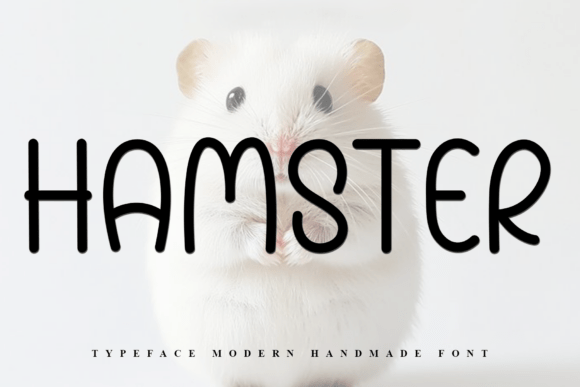
Hamster is a soft, handmade font with a rounded and clean aesthetic. Its friendly appearance makes it ideal for designs that require a warm, approachable tone. Whether you're working on a children's book, toy packaging, or a personal blog, Hamster brings a sense of charm and accessibility to your typography.
Why Hamster Stands Out
Typography plays a key role in how your message is received. Hamster's rounded edges and soft curves give it a distinctive, approachable look. Unlike more rigid or formal fonts, Hamster feels handmade and personal. This makes it especially effective for projects that aim to feel warm, whimsical, or child-friendly.
How Different Users Benefit from Hamster
Hamster appeals to a wide range of users, each with their own unique priorities. Here's how various creators and professionals might use it:
- Beginners: If you're just starting with design tools, Hamster's legibility and simple structure make it easy to work with.
- Freelance designers: For those building brand identities for small businesses or boutique clients, Hamster adds a custom, artisanal touch.
- Educators: Teachers or educational content creators can use Hamster in worksheets, presentations, or digital learning tools to create a welcoming visual tone.
- Entrepreneurs: Small business owners launching a new product line—especially in kid-related niches—can use Hamster on packaging or marketing materials to evoke trust and warmth.
Practical Uses Across Industries
Hamster’s versatility means it can be used in many contexts. Here are a few examples:
- Children’s book illustrations: Pair Hamster with colorful, playful visuals to enhance the reading experience for young audiences.
- Toys and baby products: Use the font on product labels or packaging to create a soft, inviting appearance that appeals to both kids and parents.
- Branding for cafes or bakeries: Hamster’s handmade feel works well in branding materials for cozy, community-focused businesses.
- Handmade goods: Etsy sellers and crafters can use Hamster in product tags, social media posts, or website headers to highlight a personal, artisanal vibe.
Choosing Hamster Based on Your Goals
Not every font works for every project. When considering Hamster, think about your goals and how the font aligns with them:
- Creativity: If your project calls for a unique, handcrafted look, Hamster delivers a custom feel without needing advanced design skills.
- Legibility: While Hamster is decorative, it maintains clarity at readable sizes, making it suitable for short texts, headings, and titles.
- Commercial value: For small businesses or independent creators, using a distinctive font like Hamster can help differentiate your brand visually.
- Learning value: For students or new designers, studying how Hamster works in layout design can be a helpful exercise in understanding typographic tone and style.
Comparing Hamster with Other Fonts
When choosing a font, it helps to compare Hamster with similar options:
- Quicksand: A modern, rounded sans-serif that's clean and digital. It lacks the handmade charm of Hamster but may be better suited for web use.
- Comic Sans MS: Often criticized for its informal look, but it shares a similar playful tone. Hamster offers a more refined, intentional aesthetic.
- Patrick Hand: Another handwritten font with a casual look. It has more variation in stroke, which can be great for artistic projects but less consistent than Hamster.
Is Hamster Right for Your Project?
If you're aiming for a warm, friendly, and slightly nostalgic look, Hamster is worth trying. It works best when you want to convey a sense of approachability and creativity. However, if your project requires a more formal or highly legible font for long-form reading, you may want to pair Hamster with a more traditional typeface for body text.
Design Tips for Using Hamster
Here are a few tips to get the most out of Hamster in your design work:
- Pair it with simple fonts: Use a clean sans-serif like Open Sans or Lato for supporting text to maintain visual balance.
- Limit all-caps usage: Hamster looks best in sentence case or title case. All caps can reduce readability and dilute its soft charm.
- Test at different sizes: Make sure it remains legible when scaled down, especially for printed materials or mobile displays.
- Use it for accents: Hamster shines in headlines, captions, and callouts. It’s not ideal for large blocks of text but works beautifully in short bursts.
Where to Find and Use Hamster
Hamster is available on many font platforms and design marketplaces. You can find it listed on sites like Google Fonts or DaFont, depending on licensing availability. Always check the usage rights before applying it to commercial projects.