Joyful Beach: Bringing Sunshine to Your Designs (And How to Use It Right)
What Is Joyful Beach and Why It Stands Out
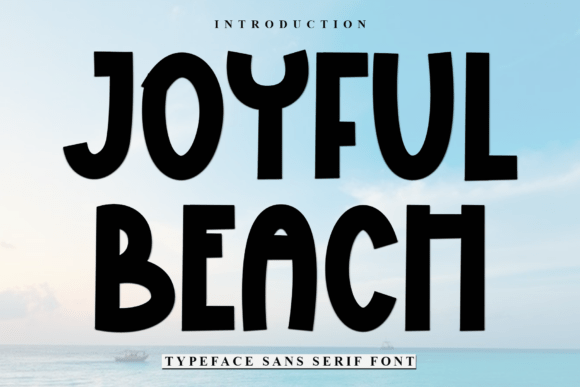
Joyful Beach is more than just a font—it's a mood booster in typographic form. This handcrafted sans serif display typeface radiates warmth and personality, inspired by seaside signage, surf shop chalkboards, and sun-bleached festival posters. Its irregular shapes and uneven alignment mimic the charm of handwritten letters, making it perfect for projects that aim to feel lively, approachable, and full of character.
If you're designing for summer events, children’s brands, beachwear labels, or social media content that needs a cheerful lift, Joyful Beach can be your secret weapon. It’s bold, expressive, and far from the sterile perfection of standard sans serifs. But like any expressive font, it requires thoughtful use to avoid missteps.
Common Mistakes When Using Joyful Beach
Many designers fall into predictable traps when choosing and applying display fonts like Joyful Beach. These errors can affect readability, professionalism, and even audience perception.
1. Overusing It in Long Text
Because of its playful and uneven design, Joyful Beach is best suited for short headlines, logos, or accent text. Using it for body copy or lengthy captions can strain the reader’s eyes and reduce comprehension.
Better approach: Save Joyful Beach for titles, callouts, or short phrases. Pair it with a clean, legible sans serif like Open Sans or Lato for longer text sections.
2. Ignoring Licensing Terms
Before downloading or purchasing Joyful Beach, it’s crucial to check its licensing. Some fonts are free for personal use but require a commercial license for business applications. Using a font without proper rights can lead to legal issues and unexpected costs.
Better approach: Always read the license agreement. If you're using the font for a client or commercial project, make sure the appropriate license is purchased.
3. Poor Pairing with Other Fonts
Joyful Beach has a lot of personality, so pairing it with another bold or decorative font can create visual chaos. Many designers mistakenly use it alongside equally loud typefaces, drowning the message in style.
Better approach: Keep the supporting typography simple. A minimalist font with clean lines balances Joyful Beach beautifully without competing for attention.
4. Misjudging the Tone of the Project
Joyful Beach carries a strong sense of fun and informality. While that’s perfect for summer festivals or children’s products, it may not be appropriate for professional reports, legal documents, or corporate branding materials.
Better approach: Match the font to the tone of your message. If your project requires a serious or formal tone, opt for a different typeface and save Joyful Beach for more casual, upbeat contexts.
What to Check Before Downloading or Buying Joyful Beach
Before committing to Joyful Beach, take a few minutes to evaluate a few key factors that can impact your project’s success and your legal standing.
- Character Set: Does the font include uppercase and lowercase letters, numbers, and punctuation? Some display fonts are limited in glyphs, which can be a problem if you need to include dates or prices.
- Ligatures and Alternates: Check if Joyful Beach offers stylistic alternates or ligatures. These can add visual interest and variety, especially when used in logos or headlines.
- Format Compatibility: Make sure the font is available in formats that work with your design tools—such as OTF, TTF, or WOFF for web use.
- Vendor Reputation: Download from trusted sources like Creative Market, MyFonts, or the designer’s official site to avoid malware or counterfeit files.
How to Use Joyful Beach Effectively in Design Projects
When used correctly, Joyful Beach adds a unique flavor that can elevate your design from ordinary to memorable. Here are some practical tips to help you get the most out of this lively font:
Use It Sparingly
Because of its bold and expressive nature, Joyful Beach shines best when used sparingly. Try using it only for headlines, logos, or featured text. Overusing it can dilute its impact and create visual fatigue.
Consider Kerning and Spacing
Due to the font’s irregular shapes, default kerning (letter spacing) might not always look balanced. Take the time to manually adjust spacing, especially for logos or key design elements where appearance matters most.
Test Across Devices and Sizes
Before finalizing your design, check how Joyful Beach looks on different screens and at various sizes. Some display fonts lose clarity when scaled down, which can affect readability on mobile devices or printed materials.
Combine with Coastal or Summer Themes
Joyful Beach was inspired by seaside vibes, so it pairs naturally with oceanic color palettes, sandy textures, and playful illustrations. Don’t force it into a winter or tech-themed layout—it might feel out of place.
Realistic Examples of Joyful Beach in Use
Here are a few real-world applications where Joyful Beach can make a meaningful difference:
- Beachwear Branding: A boutique selling swimwear or sandals can use Joyful Beach in their logo and social media graphics to evoke a sense of fun and freedom.
- Summer Festival Posters: Event designers can leverage the font’s energetic personality to create posters that feel handcrafted and inviting.
- Children’s Book Covers: The font’s whimsical style makes it a great fit for book covers aimed at younger audiences.
- Instagram Stories: Content creators can add a splash of personality to their stories by using Joyful Beach for captions and highlights.
Conclusion: Make Joyful Beach Work for You
Joyful Beach is a vibrant, expressive font that can bring a smile to your design projects. But like any creative tool, it works best when used thoughtfully. Avoid common mistakes like overuse, poor font pairing, and ignoring licensing. Always test how it performs in your specific context and ensure it aligns with your project’s tone and purpose.
By approaching Joyful Beach with intention and care, you’ll not only avoid design pitfalls but also unlock its full potential to communicate warmth, playfulness, and authenticity.