Punk Horror: A Font That Roars
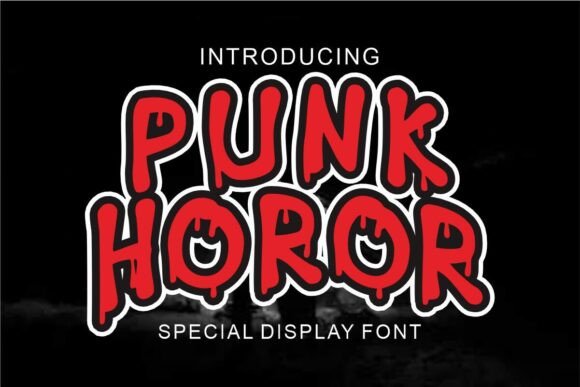
When you need a typeface that doesn't just speak but screams, Punk Horror delivers with raw intensity. This isn't just another display font—it's a visual explosion of Gothic Decorative style fused with flame-like details that evoke the chaos of hard-hitting music. Designed for those who want their message to feel urgent, aggressive, and unforgettable, Punk Horror brings a sinister and powerful presence to any project that dares to use it.
A Typeface Born From Fire
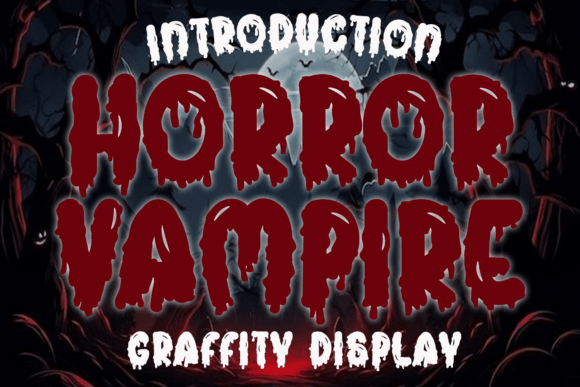
At first glance, Punk Horror captures the eye with its dramatic, flame-inspired letterforms. Each character is meticulously crafted with sharp, jagged edges and flickering details that mimic the movement of fire. The result is a typeface that feels alive—dangerous even. Its bold, decorative strokes make it ideal for projects that need to communicate energy, rebellion, and intensity.
Unlike traditional serif or sans serif fonts that aim for clarity and elegance, Punk Horror leans into chaos. It's not meant to blend in—it's meant to dominate. This makes it a standout choice for branding in music, entertainment, and alternative culture spaces where attitude and edge are part of the identity.
Where Punk Horror Shines
Because of its high-contrast, decorative nature, Punk Horror excels in short-form, high-impact applications. Think of metal band logos, concert posters, and album covers—places where visual drama is not just welcomed but expected. It also works well on merchandise like t-shirts, stickers, and posters where boldness and recognition are key.
- Music branding: Perfect for metal or punk bands looking to visually represent their aggressive sound.
- Event promotion: Ideal for flyers and posters that need to stand out in a crowded space.
- Editorial design: Can be used sparingly in magazine covers or special features that aim for a gritty, alternative aesthetic.
- Product packaging: Adds a rebellious edge to limited edition products, collectibles, or craft beverages.
Understanding the Impact on Design
Using Punk Horror in your design does more than just change the look of your text—it shapes the entire tone of your message. Because of its aggressive appearance, it can influence brand perception by signaling boldness, nonconformity, and raw energy. When used correctly, it enhances audience engagement by creating a strong visual hook that's hard to ignore.
However, its ornate style means it's not ideal for long-form text or small print. Readability drops significantly at smaller sizes, so it's best reserved for headlines, titles, and short slogans. In terms of visual hierarchy, Punk Horror naturally demands attention, making it a great top-tier element in layered designs where clarity and contrast matter.
Practical Tips for Using Punk Horror
If you're considering Punk Horror for your next project, here are some practical steps to ensure it works effectively:
- Review the full character set: Make sure it includes all the glyphs and symbols you'll need, especially if your project uses multiple languages or special characters.
- Test font pairings: Since Punk Horror is so bold, pair it with simpler fonts like a clean sans serif or a minimalist serif to balance the design and improve readability.
- Check for multiple weights: Not all display fonts come with variations. If you need flexibility, confirm that the font family includes different styles like bold, outline, or shadow versions.
- Consider licensing: Always verify that the font is available for commercial use, especially if you're designing for a client or producing merchandise for sale.
Pairing Punk Horror With Other Fonts
Because of its intense visual personality, Punk Horror should be paired carefully. A good rule of thumb is to use it for headlines or featured text and balance it with something more neutral below. For example:
- With a sans serif: Use a modern, clean font like Helvetica or Montserrat for subheadings and body copy to create strong contrast.
- With a script font: For a layered, editorial-style look, try a subtle script font in a smaller size to add texture without competing.
- With a serif: If you're going for a darker, more traditional Gothic feel, a serif like Playfair Display can complement Punk Horror's ornate style.
Remember, the goal is to let Punk Horror take center stage while supporting it with fonts that enhance legibility and design harmony.
When Not to Use Punk Horror
Despite its visual strength, Punk Horror isn't a one-size-fits-all solution. Avoid using it in:
- Long-form content: It's difficult to read in extended blocks of text.
- Professional or corporate branding: Unless you're intentionally going for a rebellious twist, it may not align with polished or formal brand identities.
- Small print or low-resolution screens: The intricate flame details can get lost or pixelated.
Use it where it shines brightest—high-impact visuals that benefit from a dark, fiery aesthetic.
Final Thoughts
Punk Horror isn't just a font—it's a statement. Whether you're designing a band logo, a festival poster, or a limited-edition product line, this typeface brings a level of intensity and attitude that few others can match. As with any creative font, success comes from understanding its strengths and using it intentionally within your design system.
If you're working on a project that needs a bold, attention-grabbing look, Punk Horror deserves a spot in your toolkit. Just remember to pair it wisely, test it across formats, and always consider the message you're sending to your audience. Used well, it can become a powerful part of your brand identity or creative expression.