Shinkai: A Japanese-Inspired Typeface with Modern Appeal
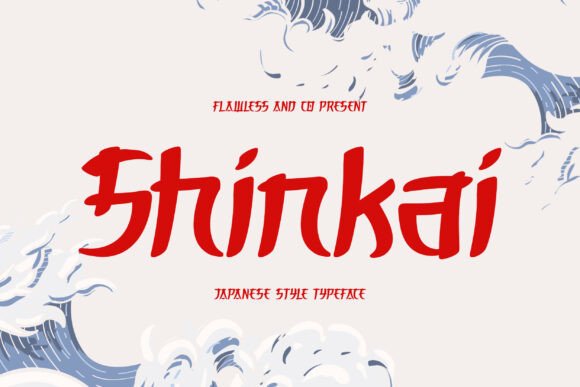
Shinkai is more than just a font — it's a visual bridge between traditional Japanese calligraphy and modern design sensibilities. With its expressive brush strokes and elegant structure, Shinkai captures the essence of Eastern aesthetics while offering the clarity and adaptability needed in today’s digital and print environments. Whether you're crafting a logo, designing a poster, or developing a themed menu, Shinkai brings a unique cultural depth and contemporary flair to your work.
What Makes Shinkai Stand Out?
At its core, Shinkai is designed to reflect the fluidity and rhythm of hand-brushed kanji. Unlike rigid, mechanical typefaces, it carries a sense of movement and intentionality. Each character is crafted with subtle variations in stroke weight and spacing, mimicking the natural flow of ink on paper. This gives Shinkai a distinctive personality that stands out in both small and large applications.
Its versatility lies in how it balances tradition with modern readability. While it draws from centuries-old calligraphic forms, its structure is refined for clarity in digital displays and print media. This dual nature makes it ideal for designers who want to evoke cultural richness without sacrificing legibility or usability.
Why Different Audiences Might Choose Shinkai
Depending on your background and goals, your interest in Shinkai may vary. Here’s how different users might find value in this typeface:
For Design Beginners
If you're just starting out in design, Shinkai offers a visually striking option that can elevate your work without requiring advanced typographic knowledge. Its legibility and strong visual identity make it easy to use effectively in posters, social media graphics, or personal branding. You don’t need to be a typography expert to appreciate how it adds a sense of sophistication to your designs.
For Experienced Designers and Professionals
More seasoned designers may appreciate Shinkai for its craftsmanship and flexibility. It works well in both print and digital environments, and its cultural roots allow for meaningful storytelling in branding and editorial design. Whether you're designing a Japanese-themed restaurant menu or a cultural event poster, Shinkai provides a strong visual anchor that communicates both elegance and authenticity.
For Educators and Content Creators
Teachers, bloggers, and creators focused on culture, language, or art can use Shinkai to enhance their visual materials. It adds a layer of cultural context that supports educational content about Japanese history, calligraphy, or design. For example, using Shinkai in a presentation about Japanese aesthetics can help reinforce the subject matter visually, making it more engaging for learners.
For Entrepreneurs and Business Owners
Businesses with a focus on wellness, Asian cuisine, or lifestyle products can benefit from using Shinkai in their branding. It can be used effectively in packaging, signage, and promotional materials to convey a sense of authenticity and craftsmanship. A tea shop or yoga studio, for instance, could use Shinkai in their logo or menu to evoke a calm, traditional atmosphere while maintaining a modern look.
For Hobbyists and Enthusiasts
If you're passionate about typography or Japanese culture, Shinkai offers a way to incorporate traditional aesthetics into your personal projects. Whether you're creating greeting cards, custom illustrations, or personal art prints, this typeface can serve as a meaningful design element that reflects your interests and style.
Key Considerations When Using Shinkai
Before deciding to use Shinkai, consider your priorities and how this typeface aligns with them:
- Quality and Aesthetics: Shinkai is crafted with attention to detail, making it a high-quality choice for those who value visual appeal and craftsmanship.
- Flexibility: It works well across a range of design styles — from minimalist to ornate — and can be paired with both traditional and modern fonts for contrast and balance.
- Learning Value: For those interested in typography or Eastern design, working with Shinkai can be a learning experience in itself, offering insights into how brush strokes translate into digital form.
- Commercial Use: Check licensing terms before using Shinkai for commercial projects. Some versions may require a specific license for business use, so it’s important to verify this before implementation.
- Accessibility: While visually rich, ensure that the font remains legible at smaller sizes, especially in digital formats where readability is crucial.
Practical Examples Across Use Cases
Here’s how different users might apply Shinkai in real-world scenarios:
- Branding: A new line of Japanese-inspired skincare products uses Shinkai in its logo to communicate heritage and natural elegance.
- Event Design: A cultural festival poster uses Shinkai for headlines to evoke the spirit of traditional Japanese calligraphy while remaining modern and readable.
- Menu Design: A sushi restaurant incorporates Shinkai into its menu layout to enhance the authenticity and visual appeal of the dining experience.
- Art Prints: An independent artist uses Shinkai in a series of prints featuring Japanese poetry, creating a cohesive visual and thematic connection.
- Educational Materials: A language-learning app uses Shinkai in its Japanese character tutorials to help learners associate the script with its cultural roots.
Does Shinkai Fit Your Needs?
Whether Shinkai is right for you depends on your design goals, aesthetic preferences, and the context of your project. If you’re looking for a typeface that blends tradition with modernity and offers a strong visual identity, Shinkai is worth exploring. It’s particularly well-suited for those who want to add cultural depth to their work without compromising on quality or usability.
Consider experimenting with it in small-scale projects first to see how it performs in different settings. Try pairing it with simpler sans-serif fonts for contrast, or use it on its own to make a bold typographic statement. Ultimately, Shinkai offers a unique design voice that can help your work stand out — especially when cultural richness and elegance are part of your message.